A clear, illustrated explanation of how pool filtration removes debris, balances chemistry, and keeps the water swim-ready, written for first-time pool owners.
Pool filtration is the system that quietly decides whether your water is a joy to dive into or a chore to keep clean. If you are buying or building your first pool, this guide explains what is actually happening below the surface, in language a non-engineer can use.
The filtration loop, in one paragraph
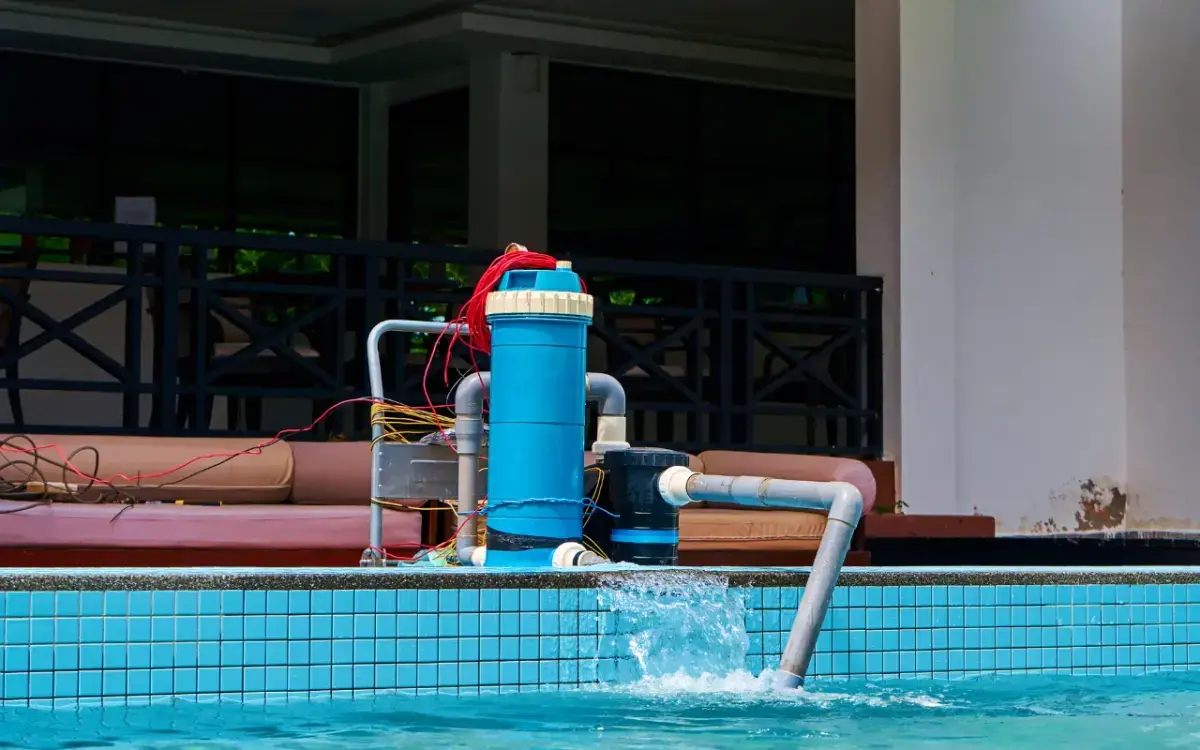
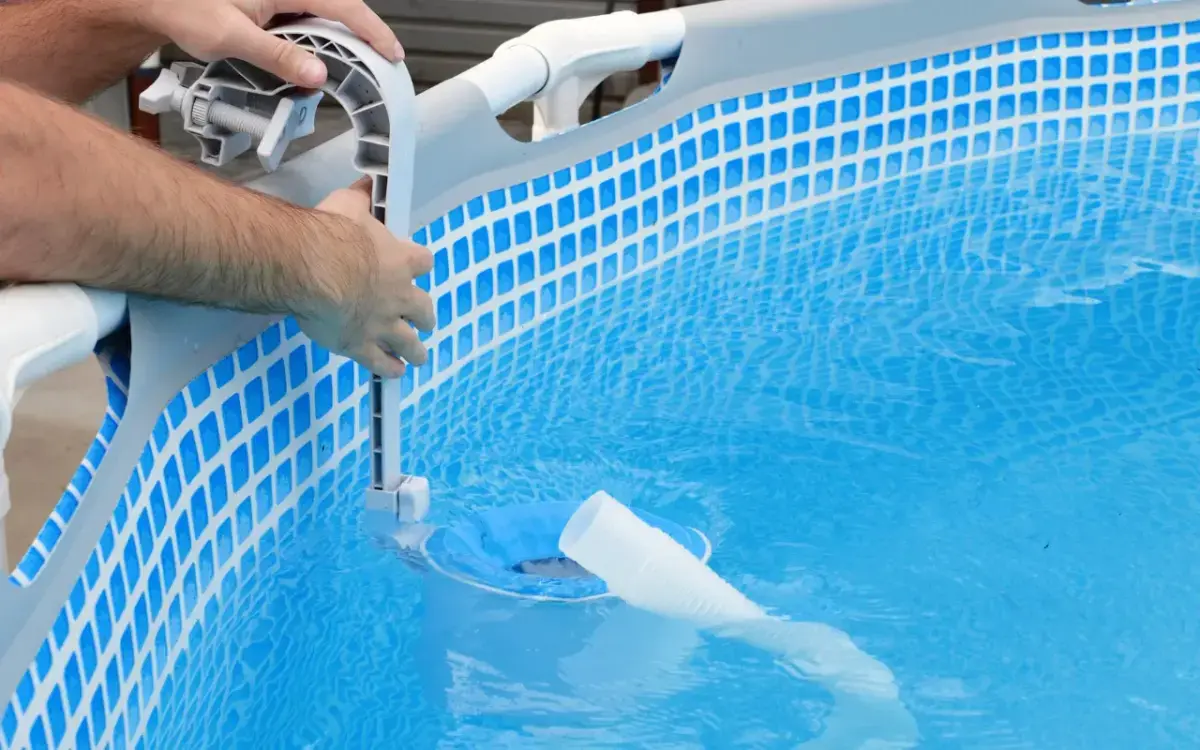
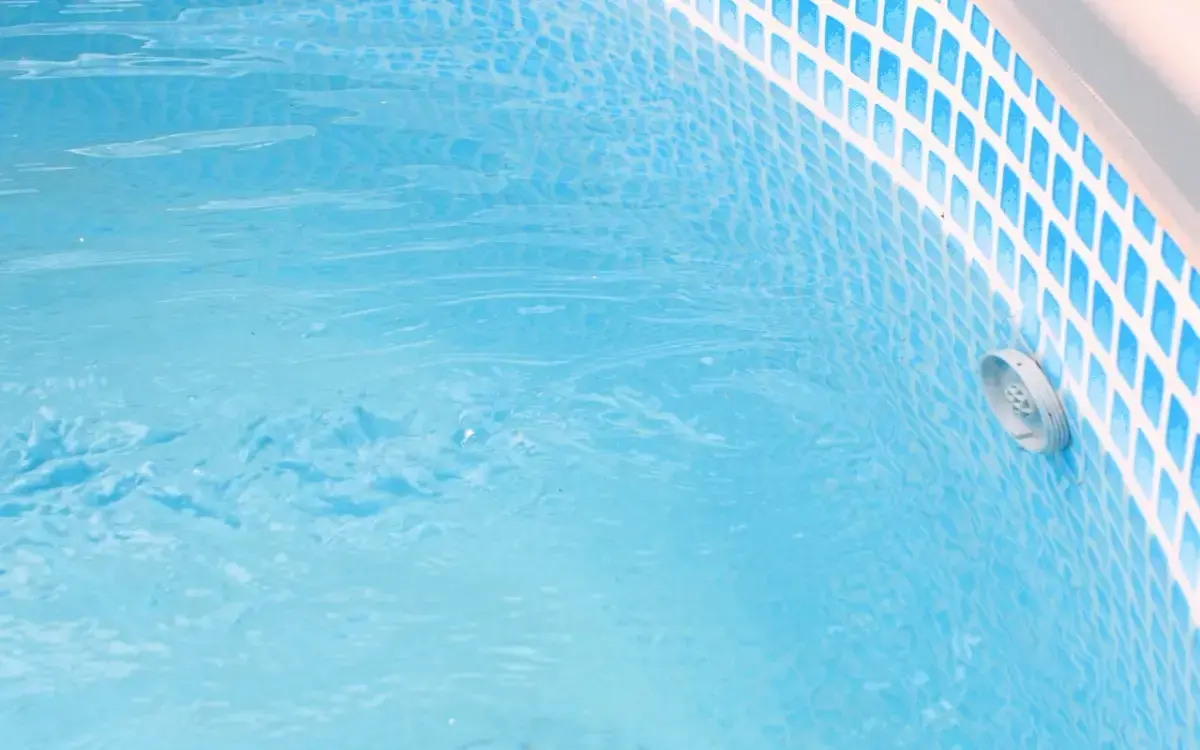
Every pool runs the same basic loop. Water leaves the pool through the skimmer and main drain, travels through a pump, passes through a filter that removes particles, gets sanitised, and returns to the pool clean. The whole volume of water in the pool should pass through this loop several times a day. That is what keeps the water clear.
The four pieces you should know
- Skimmer and main drain, the two intakes that pull water out of the pool. The skimmer catches floating debris (leaves, insects); the main drain pulls from the bottom and balances circulation.
- Pump, the heart of the system. It moves the water. Pump sizing is one of the most consequential decisions for both energy bills and water clarity.
- Filter, where particles get removed. Sand, cartridge, and DE (diatomaceous earth) are the three common types. Each filters down to different particle sizes and needs different maintenance.
- Disinfection, where bacteria and pathogens are neutralised. Chlorine is the residual sanitiser; UV and ozone are secondary disinfection methods that reduce how much chlorine is needed.
Sand vs cartridge vs DE
Sand filters are the most common choice for residential pools, durable, easy to maintain, and filter down to about 20 microns. Cartridge filters trap finer particles (down to about 10 microns) but the cartridge needs cleaning more often. DE filters are the finest of the three (down to 2-5 microns) but require careful handling of the diatomaceous earth media. Most homeowners are best served by a properly-sized sand filter; commercial pools and demanding clients often justify cartridge or DE.
Why secondary disinfection matters
Chlorine alone works, but it has limits. High temperatures, heavy bather load, and sunlight all consume chlorine quickly. UV and ozone are secondary methods that destroy pathogens without leaving chemical residues, allowing the chlorine level to be kept much lower while still hitting the same disinfection target. The water feels softer on skin and eyes, and chemical costs drop over time.
The single best investment in your pool is the equipment you cannot see. Spend on the filtration; the tile and finishes you can always upgrade later.