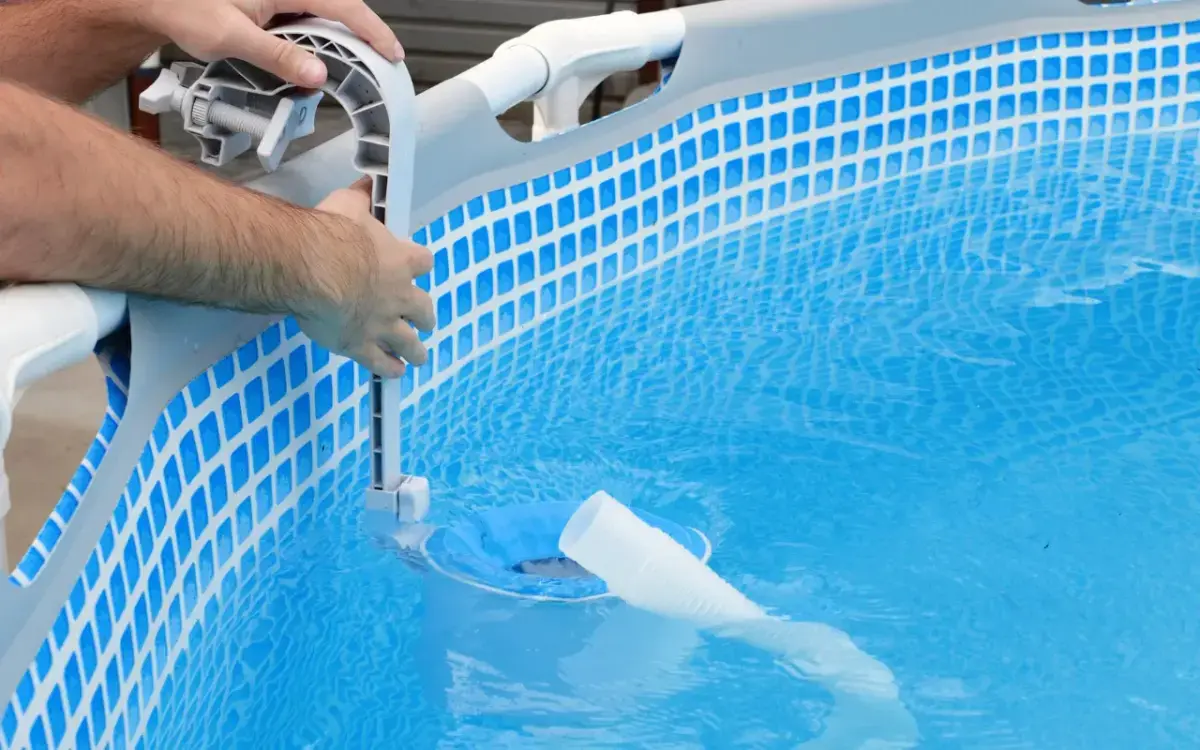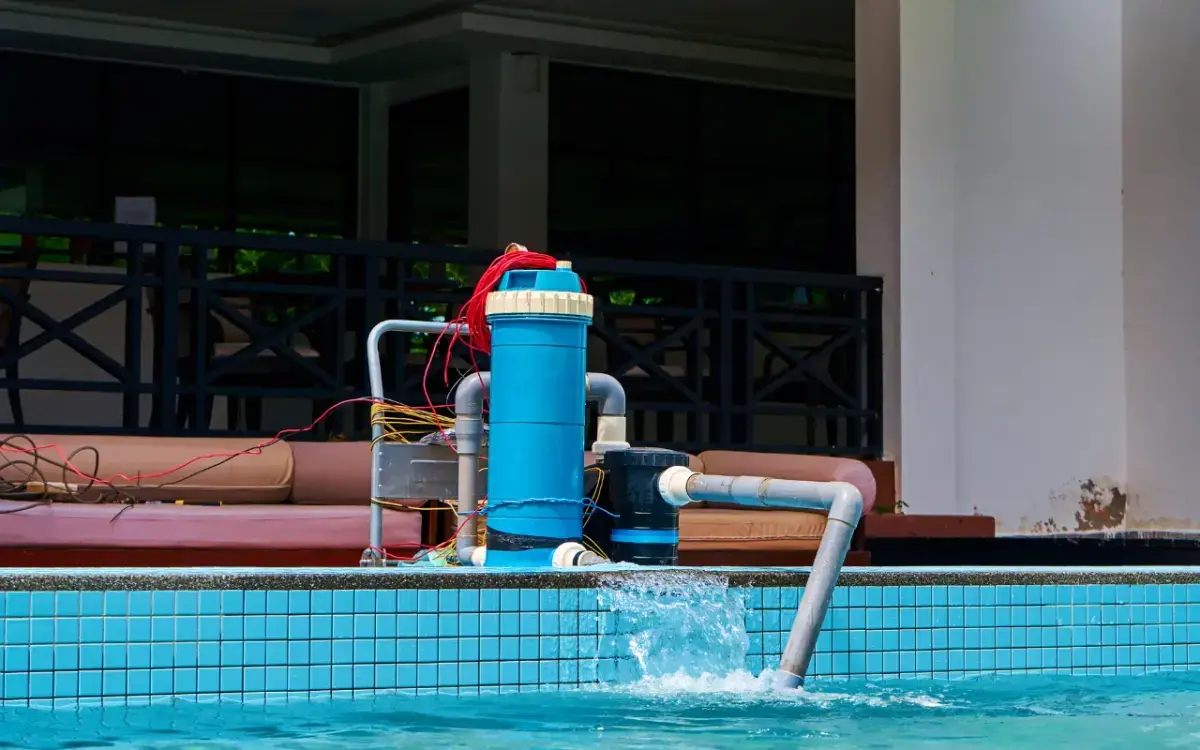
Pump sizing is the single decision that most affects your pool's electricity bill and water clarity. Here is how to think about it before you buy.
Pump sizing is the decision that most affects your pool's electricity bill and water clarity, and it is the decision most often guessed at the catalogue page rather than calculated.
Why pump size matters
An undersized pump cannot move the full pool volume through the filter often enough to keep the water clear; you end up with cloudy water and high chemical demand. An oversized pump wastes electricity, stresses the plumbing, and shortens equipment life. The right pump circulates the right volume, at the right pressure, for the lowest possible energy cost.
Calculate your turnover rate
Turnover is how long the pump takes to move the entire pool volume through the filter once. For a residential pool, the target is usually 6 to 8 hours; for commercial and high-bather load pools, 4 to 6 hours. To find the flow rate you need, divide pool volume (in litres) by turnover time (in seconds). That is your minimum pump flow target.
Example: a 50,000 litre residential pool with an 8-hour turnover target needs roughly 105 litres per minute, which is the starting flow rate for pump selection.
Flow rate is not the only number
A pump rated for 120 LPM will not deliver 120 LPM through your specific plumbing, the longer the pipe runs, the more bends and fittings, the more head loss the pump has to push against. A proper sizing exercise calculates total dynamic head (TDH) for your installation and picks a pump that delivers the target flow at that head, not at zero head.
Single-speed vs variable-speed
Single-speed pumps run at full power whenever they run. Variable-speed pumps adjust the motor speed to match the demand, full speed for backwashing, lower speed for steady-state circulation. The energy savings are substantial: variable-speed pumps typically use 50 to 70 percent less electricity over a year compared to a single-speed equivalent. Initial cost is higher, but the payback period is usually 18 to 30 months on residential pools.
If you are sizing a new pump, ask the supplier for the head curve and the energy consumption at your target flow rate. If they cannot share both, find a different supplier.